Benefits of Gated Community Living in India
Featured Image of Benefits of Gated Community Living in India


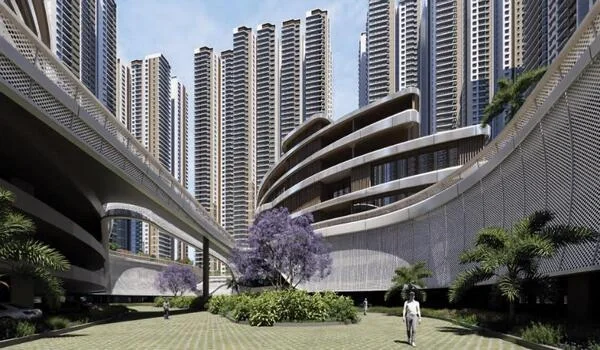
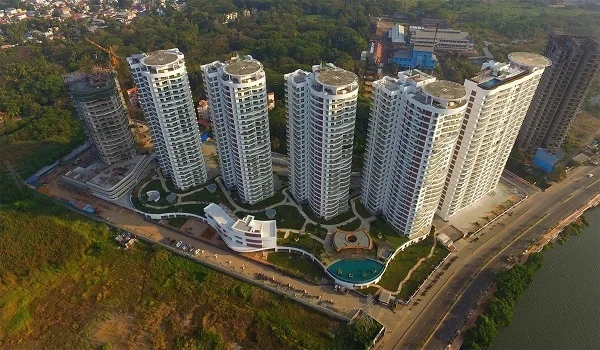
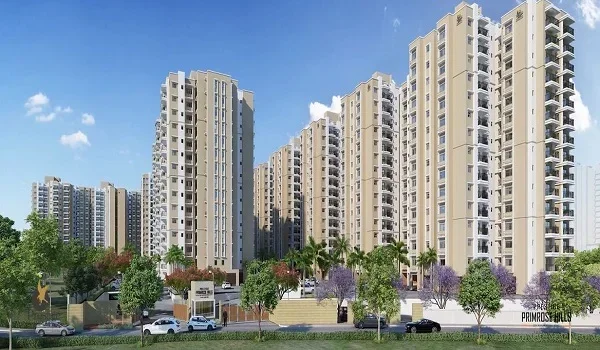
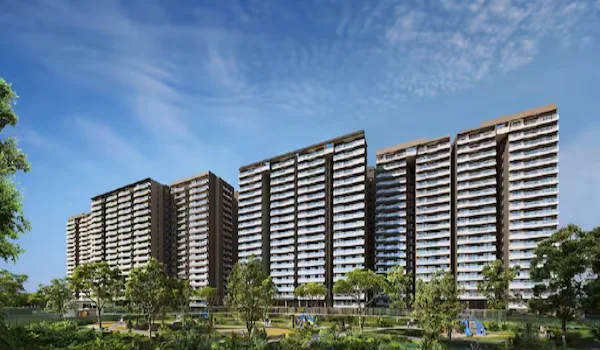
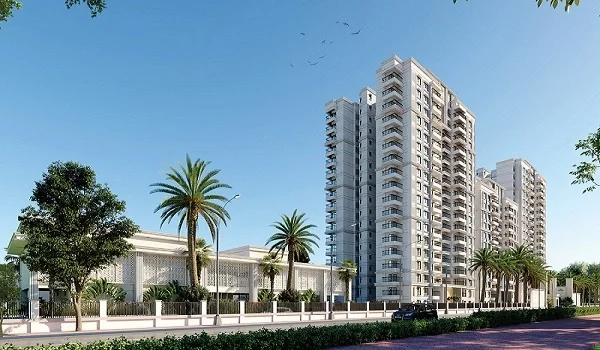
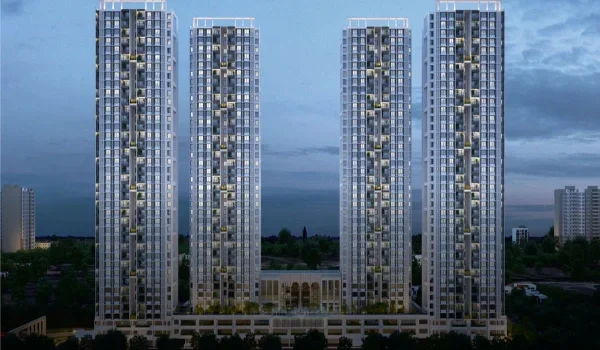
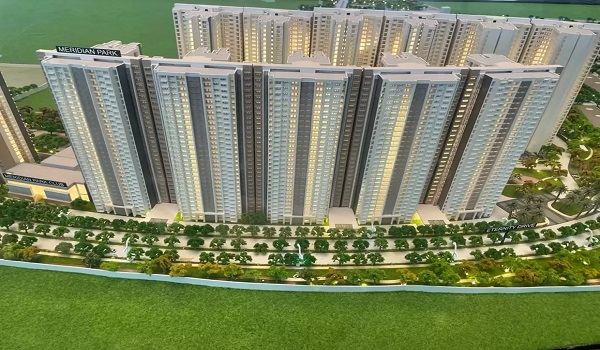
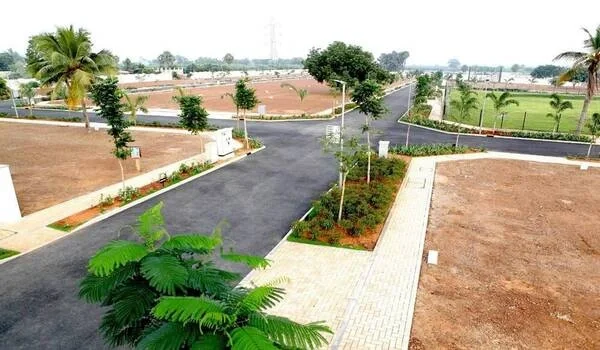
A gated community is a housing layout closed off by a compound wall. One main gate control who comes in, watched by a guard day and night. One main entry point is the whole idea behind the format. Each visitor gets logged, and each car gets checked at the gate. Residents move around freely, without random outsiders wandering through the garden or the parking lot. You also share the cost of a clubhouse, a garden and fixed parking with your neighbours. Sharing that cost is one reason gated homes tend to hold resale value better. An open apartment block on the same road rarely matches it.
What Makes a community "Gated"?


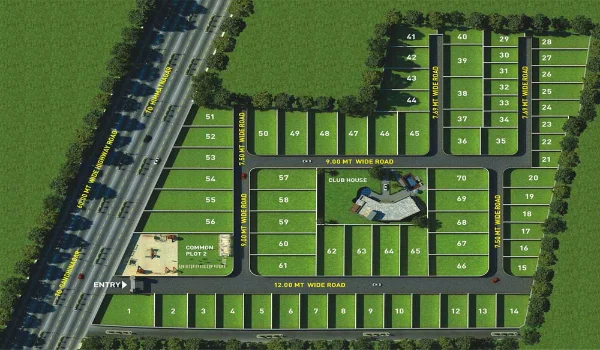
Not every housing project earns the label. A true gated community sits inside a compound wall or fence. Just one or two entry points serve the entire layout. Guards staff these gates around the clock, so visitors have to sign in before reaching a resident's door. Residents themselves just flash an ID card or scan an app on their phone. Cars follow the same routine, since each car passes through a boom barrier before it reaches the lot. The same control carries into the shared spaces too. Only residents and their approved guests can use the clubhouse, the garden or the pool. An open apartment building, by contrast, rarely has this many layers of access control built in.

Is It Safer to Live in a Gated Community?


Mostly, yes, and the reasons are practical rather than emotional. A gated layout simply gives you more layers of protection than an open building on a public road. Cameras cover the gate, the parking area and the shared spaces. A guard also checks each car and visitor before they get inside. Kids can play in the garden or the clubhouse without ever stepping onto a public street. Parents with young children or elderly relatives at home tend to value this most. No safety setup removes all risk, and it would be dishonest to promise that. What a gated community does offer is a sharp drop in the odds of random or unwanted entry. Resident notice that difference in how safe they actually feel day to day.

Lifestyle and Amenities You Get with a Gated Community


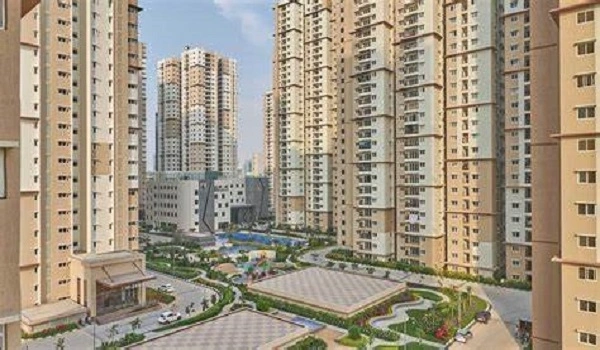
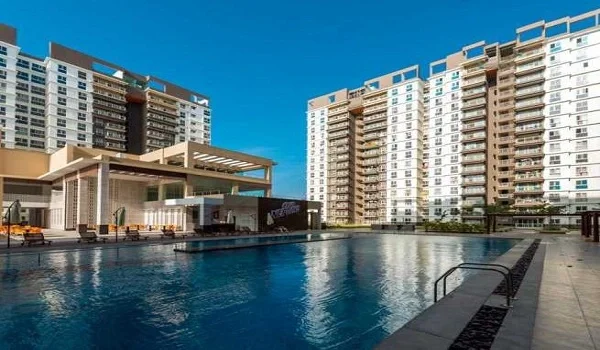
A gated project often bundles a clubhouse, a gym, a pool and landscaped gardens. All of it sits straight inside the price of your home. You don't need a separate club membership, and you don't need a long drive to a public park. These spaces already sit inside your own layout, ready whenever you want them. Many projects go further and add play areas for children, jogging tracks and sports courts. These keep residents active without ever leaving the gate. Over the years, this shared setup becomes one of the biggest reasons buyers accept a higher price. Otherwise, you'd pay for it all on your own, and often pay more.

Why Are Gated Communities More Expensive?


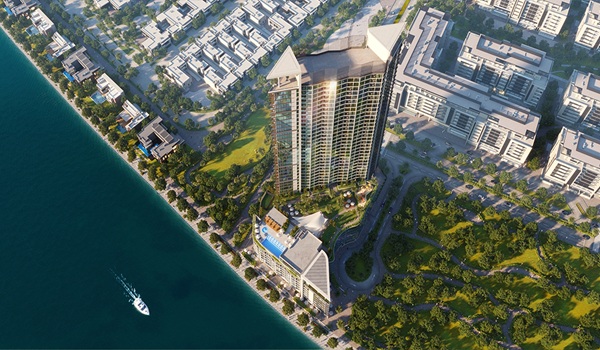
There's a simple reason gated homes cost more: you're paying for land that never becomes yours alone. Roads, gardens, the clubhouse and the parking area all count as shared space. Each resident jointly owns a piece of it. Round the clock guard staff, camera upkeep and garden maintenance add real, ongoing costs. An open building simply doesn't carry any of that. Builders also build gated projects at a lower density, with fewer homes per acre. Lower density alone pushes up the cost of each unit, before you even count the extras. In return, you get controlled entry, shared facilities and a resale market that tends to move faster. For many buyers, that trade is worth paying for.

Gated Community vs Apartment: Which Should You Choose?


Factor Standalone Apartment Gated Community
Entry control Open, anyone can walk in Single gate, guard and visitor log
Amenities Usually none, or shared with the street Clubhouse, pool, gym and garden included
Maintenance Owner or a small local group handles it A dedicated management team runs it
Price Lower per sq ft Higher per sq ft, reflecting shared assets
Resale demand Depends heavily on the specific building Usually stronger and more consistent
Best for Tight budgets, central locations Families, investors and long-term buyers

If your budget is tight and you need a central address near work, an open flat makes sense. If you'd rather pay more for safety and ready extras, a gated community is often the smarter call. Most investors in growing Indian cities lean toward gated projects, largely for that steadier long-term demand. Banks, tenants and resale buyers all treat them as the safer, more liquid asset.

Is It Good to Invest in a Gated Community?


Yes, and the case is stronger than most buyers realise. Rental demand stays higher in gated projects. Working people and families actively search for addresses with safety and ready extras. Resale value holds up better too, because future buyers know exactly what they're paying for. Buyers can trace that clarity from the compound wall right down to the clubhouse.

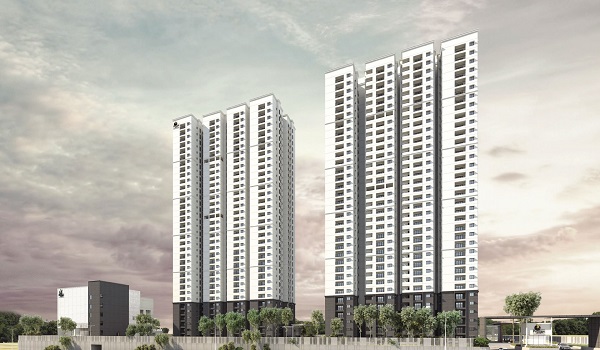
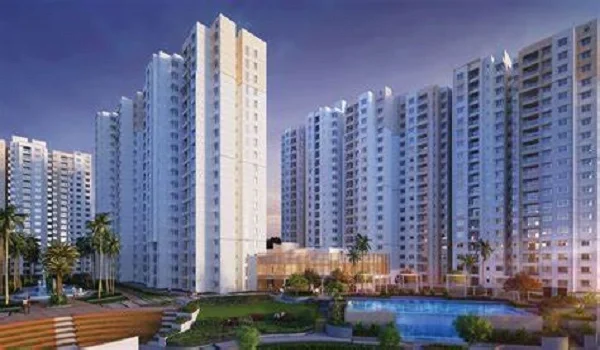
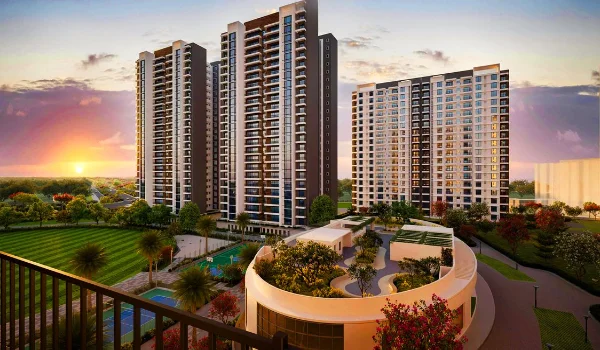
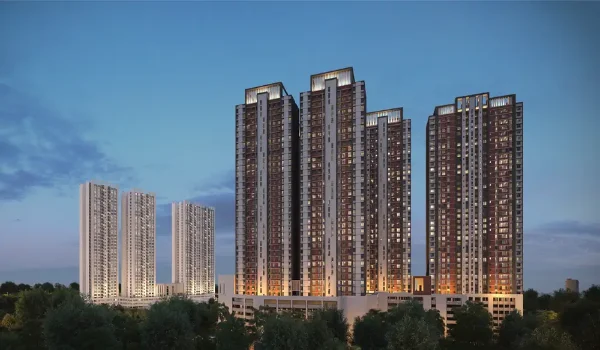
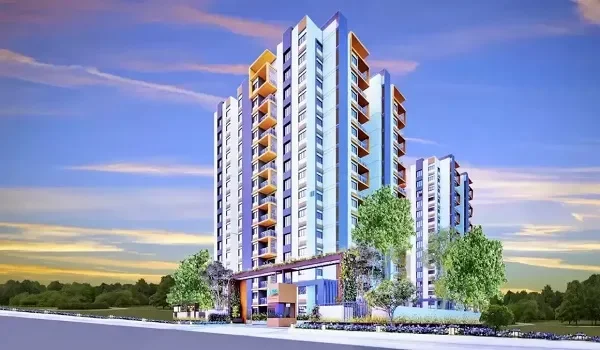
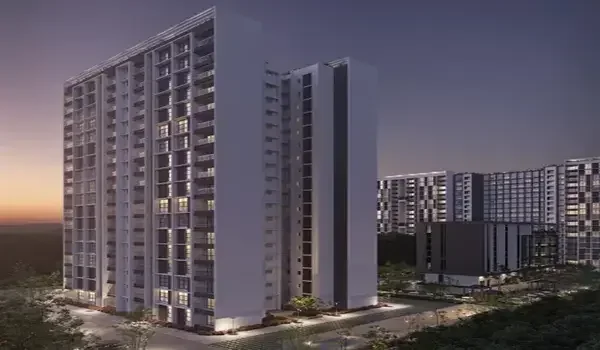
Prestige Pavilion in Huyilalu, Mysuru, is a useful example of why this works. It's a boutique, 4-acre gated layout with just 360 apartments spread across 3 towers. About 35% of the layout stays open, anchored by a 21,000 sq ft clubhouse. A low-density, fully gated design like this tends to hold its value better than crowded, open projects nearby. Buyers focused on resale or rental income should weigh this heavily.

Gated community living costs more upfront, and that cost is real, not just a marketing add-on. In return, you get controlled entry, shared extras and a resale market that tends to move faster. Prestige Pavilion, with its low-density towers and open space, shows why buyers keep paying that premium. If safety and steady long-term demand matter to you, a gated address is often worth the extra cost. It might sting a little at the time of booking, but it rarely does at resale.

FAQs


1. What are the benefits of gated community living in India?

The short list: controlled entry, round the clock safety, and shared extras like a clubhouse, gym and garden. You'd otherwise pay for all of this on your own. A trained team handles the upkeep, not you or your neighbours. Most residents also say they feel a stronger sense of community. It comes down to running into the same familiar faces at the gate, the gym and the garden.

2. Which is better, gated community or apartment?

It really depends on what matters most to you. Go with an open flat if your budget is tight and location matters more than shared extras. Go with a gated community if you want more safety and steadier resale demand over the years.

3. Is it good to invest in a gated community?

Often, yes, especially in cities with strong rental demand. Gated projects tend to attract stronger rental demand and steadier resale interest than open flats. Tenants and buyers alike value the safety and shared extras that come bundled with the address.

4. Is it safer to live in a gated community?

Mostly, yes, though no safety setup is completely foolproof. A compound wall, a single controlled entry and camera coverage cut the odds of random entry sharply. This is the real, practical edge a gated design offers over an open building.

5. Why are gated communities more expensive?

Because you're paying for more than your own flat. Shared land, round the clock guard staff and the upkeep of shared extras all add to the price. So does the lower density most gated projects are built at. Fewer homes share each acre compared to an open building.

6. Do gated communities hold their resale value better?

Usually. Buyers can see exactly what they're paying for, from the safety to the shared extras. This clarity builds real trust at resale time. Well managed gated projects from trusted builders tend to attract steady demand for years after launch. The pattern holds long after the initial buzz around a new project fades.

Prestige Pavilion Blog


Enquiry
Enquire Now