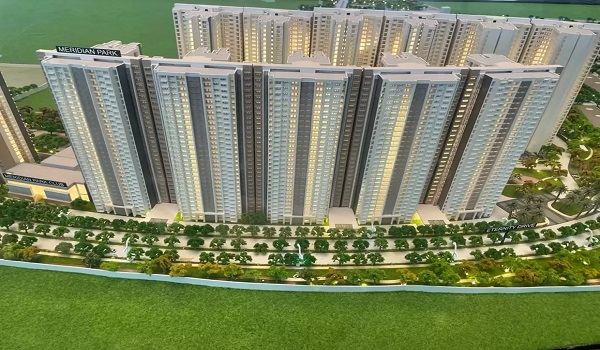
Home Loan Guide for Apartments in Bangalore

Featured Image of Home Loan Guide For Apartments In Bangalore


Buying a flat in Bangalore usually means borrowing a large chunk of the price. The loan details end up mattering as much as the property itself. Your bank will look at your income, your age and the property's value before deciding your loan amount. On top of that, a few smart choices can save you lakhs over the years. The loan tenure you pick and how you handle prepayment both matters. This guide walks through the real numbers, not just the theory, so you can borrow with confidence.

How Much Loan Can You Get on a Flat in Bangalore?


Banks in India follow limits set by the RBI, based on the size of your loan. For a loan up to 30 lakhs, a bank can lend up to 90% of the property's value. Between 30 lakh and 75 lakhs, that limit drops to 80%. Above 75 lakhs, which covers most Bangalore apartments, banks usually cap the loan at 70% of the value. In practice, this means you need savings for a down payment on top of your loan. Your income matters just as much as the property price. Most banks want your total EMIs to stay under 40% to 50% of your monthly income.

Loan Amount Maximum Loan-to-Value
Up to ₹30 lakh 90% of property value
₹30 lakh to ₹75 lakh 80% of property value
Above ₹75 lakh 70% of property value

For an under-construction property, your bank does not hand over the full loan at once. It releases the amount in stages, tied to construction milestones, matching the builder's own payment plan. Prestige Pavilion in Huyilalu, Mysuru, follows this exact pattern. It asks for 10% on booking, 80% during construction and the final 10% at handover. Your bank's disbursal schedule would mirror that same structure almost exactly.

What Is the 20-30-40 Rule for Buying a House?


This is one of the simplest budget checks you can run before you sign anything. The rule breaks your finances into three numbers, each covering a different risk. First, put down at least 20% of the property price from your own savings. Second, keep your home loan EMI within 30% of your monthly income. Third, make sure all your loans and card bill together stay under 40% of what you earn monthly.

Say you earn 1 lakh a month and want to buy 50 lakhs flat. The 20% rule points to a down payment of 10 lakh. The 30% rule caps your EMI at around 30,000. The 40% rule means your total monthly debt, home loan included, should not cross 40,000. Lenders do not enforce this exact formula, but it is close to how most banks assess you anyway.

Which Bank Is Best for a Home Loan in Bangalore?


There is no single best bank, whatever the ads promise. The right fit depends on your income type and your credit score. Public sector banks like SBI and Bank of Baroda often carry lower processing fees. Their rates also stay tied closely to the repo rate. Private banks such as HDFC and ICICI tend to disburse faster and offer more flexible top-up loans later. Housing finance companies, including LIC Housing Finance, sometimes approve self-employed applicants that regular banks turn down.

Rather than chasing a single name, compare four things across lenders. Look at the interest rate, the processing fee, prepayment charges and disbursal speed. A quarter percent difference in rate sounds small on paper. On a 50 lakhs loan over 20 years, it adds up to several lakh in extra interest.

What Happens If You Pay 2 Extra EMIs Every Year?


This is one of the highest-value habits a borrower can build, and the maths backs that up. Say you take a 50 lakhs loan at 8% interest over 20 years. Your regular EMI comes to roughly 41,800 a month. Over the full term, you would pay close to 50 lakhs in interest alone.

Now add just two extra EMI payments every year, on top of your regular 12. That alone can shorten your loan to around 14 or 15 years. That's nearly 5 years off the original tenure. It also saves you close to 15 lakhs in interest, money that would otherwise go to the bank. The trick works because prepayments hit the principal directly. This happens early in the loan, when interest still eats up most of each EMI. Most banks in India do not charge a penalty for this on floating rate loans. There is little reason to skip it if you can manage the extra outflow.

Is It Worth Buying a 10-Year-Old Apartment in Bangalore?


Often, yes, especially if the price gap versus a new launch is wide enough to matter. 10 years old flat usually costs 20% to 30% less per square foot than a new launch. That gap holds true within the same locality. You also get to see the actual building and the landscaping in person. You can judge how well the maintenance has held up, rather than trusting a brochure.

On the loan side, though, older properties come with real limits. Banks usually cap your loan tenure by the property's age. Age plus repayment period should stay within 30 to 40 years, depending on the lender. That can mean a shorter tenure and a higher EMI compared to a fresh launch. Before you commit, get the building's structural condition checked. Confirm the occupancy certificate and the khata are clear, since a messy title can block your loan approval.

Which Is Better, a Flat or a House?


Factor Flat (Apartment) Independent House
Upfront cost Usually lower per sq ft Land plus construction, often higher overall
Security Gated entry, shared watch Depends entirely on your own arrangements
Maintenance Handled by a management team You manage repairs and upkeep yourself
Loan approval Simpler, especially in a RERA project Can involve extra checks on land title
Resale Faster in an active micro-market Can take longer to find the right buyer
Room to expand Fixed once built You can extend or rebuild later

For most working buyers in Bangalore, a flat inside a gated project is the easier loan option. It also tends to be the safer bet. Independent houses can offer more room to grow later, and sometimes better long-term appreciation on the land itself. That upside comes with more homework, since your bank will scrutinise the land title and approvals more closely. If you want a straightforward loan process and predictable running costs, a flat usually wins. If you have the patience for extra paperwork, a house can pay off eventually.

The 20-30-40 rule, the LTV slabs and the prepayment maths all matter more than any bank's advertising. Run your own numbers before you sign anything. Keep some room in your budget for property tax, maintenance and insurance on top of the EMI. If Bangalore's prices push your budget too far, it's worth widening your search to connected markets like Mysuru. A project such as offers the same loan mechanics on a noticeably lower entry price. The math stays the same wherever you buy, only the numbers change.


FAQs


1. What is the 20/30/40 rule for buying a house?

It's a quick affordability check most first-time buyers find useful. Put down at least 20% of the price yourself. Keep your EMI within 30% of your monthly income. Make sure all your loans together stay under 40% of what you earn. Banks do not follow this exact formula, but their own checks land close to it.

2. Is it worth buying a 10-year-old apartment in Bangalore?

Often, yes, mainly because of the price gap. A resale flat can cost 20 to 30% less than a comparable new launch in the same locality. You also get to inspect the actual building instead of a brochure. The catch is that banks usually shorten your loan tenure for older properties. The flat's age plus your repayment period together cannot exceed 30 to 40 years.

3. Which bank is best for a home loan in Bangalore?

There's no single winner here, whatever the advertising says. Public banks like SBI often have lower fees and rates linked to the repo rate. Private banks like HDFC and ICICI usually disburse faster. Compare the interest rate, processing fee and prepayment terms across two or three lenders before you decide.

4. How much loan can I get on a flat?

It depends on both the property's value and your income. For loans up to 30 lakhs, banks can lend up to 90% of the value. That share drops to 80% between 30 and 75 lakhs, and 70% above that. Your income also caps things, since lenders want your EMIs under 40 to 50% of your monthly earnings.

5. What if I pay 2 EMI extra every year?

It can cut years off your loan without much pain. On a 50-lakh loan at 8% over 20 years, two extra EMIs a year help a lot. They can shorten the tenure to around 14 or 15 years. That also saves roughly 15 lakhs in interest, since the extra payment goes straight toward your principal. Most Indian banks charge no penalty for this on floating rate loans.

6. Which is better, a flat or a house?

For most salaried buyers, a flat inside a gated project is the simpler loan to get approved. An independent house can offer more upside through the land itself. Your bank will check the land title and approvals more closely, though. Choose a flat for predictable costs and an easier approval. Choose a house if you value long-term land appreciation and don't mind extra paperwork.

Prestige Pavilion Blog


Enquiry
Enquire Now