Ready to Move vs Under Construction - Which Wins in 2026?

Featured Image of Ready to Move vs Under Construction - Which Wins in 2026?


Ready to move vs under construction is the first question every property buyer in India asks. Ready to move flats cost more upfront but remove all construction risk. Under construction homes cost less today and often appreciate faster before possession. Your choice depends on your budget, your timeline and how much risk you can carry.
What Does "Ready to Move" Mean?


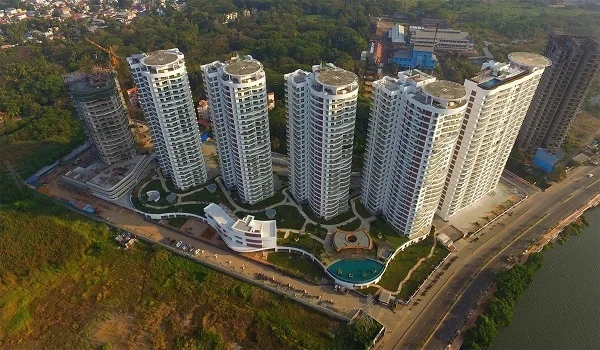
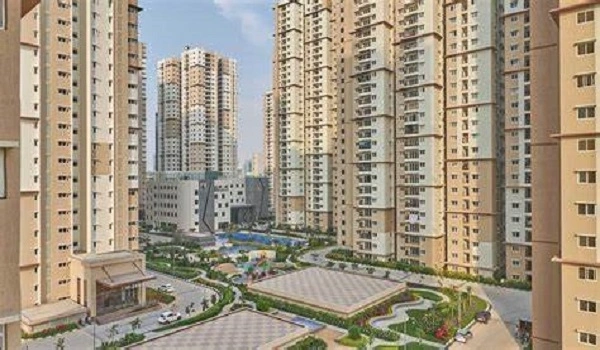
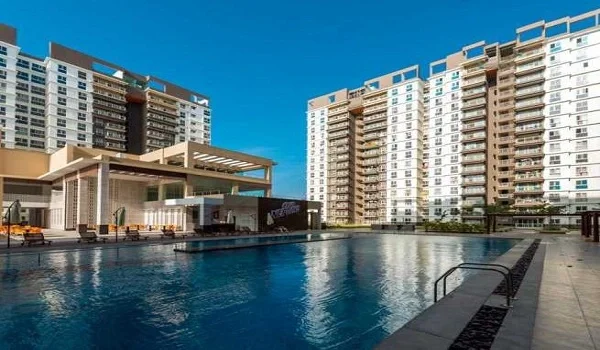
A ready to move flat has its occupancy certificate (OC) in hand. The builder has finished construction, and civic authorities have cleared it for use. You can register the sale deed, get your home loan disbursed in full and move in within weeks. There is no wait for possession and no risk of delay.

What Is an Under-Construction Property?


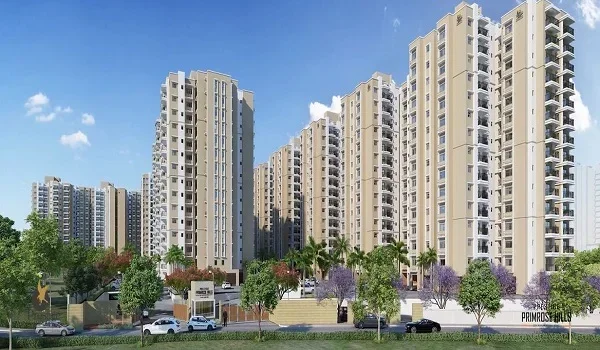
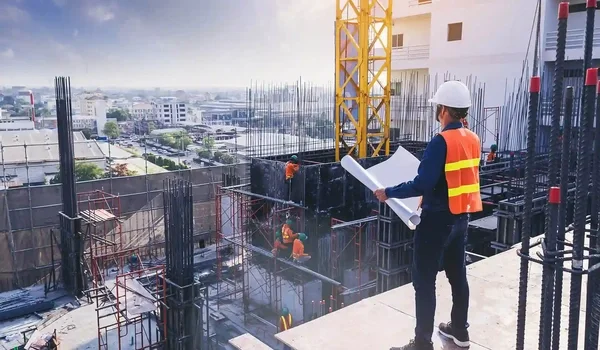
You book an under-construction property before the builder finishes it. You pay in stages as the builder finishes each floor, tied to a construction-linked payment plan. Possession, RERA approval and final quality all depend on the builder delivering as promised. This is what under construction really means for a buyer. It is a bet on a timeline that has not happened yet.

Ready to Move vs Under Construction: Pros and Cons


Here is how the two options stack up on the factors that matter most to buyers.

Factor Ready to Move Under Construction
Price Higher, reflects the finished product Lower entry price, room to grow
GST None, exempt once OC is issued 5% standard, 1% affordable housing
Risk Low, you see exactly what you buy Depends on builder track record and RERA status
Possession Immediate Months to years, per the RERA timeline
Rental income Starts right away Starts only after handover
Loan disbursal Full amount at once Staged, linked to construction
Appreciation Slower, price already matured Often faster if the location grows

Ready to move suits buyers who need a home now or want rental income immediately. Under construction suits investors who can wait and want a lower entry price.

Which Investment Makes More Sense, Ready to Move or Under Construction?


For pure investment, under construction property usually wins on returns, if the builder delivers on time. You buy at a lower per square foot rate, and price typically rise as the project nears completion. Ready to move property wins on safety and immediate rental yield, since there is nothing left to guess. A first time investor with a shorter timeline should lean ready to move. An investor who can hold for five to seven years should consider under construction instead. Check the builder's delivery record and RERA status first.

Is It Good to Invest in an Under-Construction Property in India?


Yes, if you check three things first: the builder's track record, the RERA registration and the payment schedule. A construction-linked plan protects you, since you pay only as work progresses. You pay about 10% on booking, 80% during construction and the rest on handover. Big, trusted developers lower your risk by a lot.

Take in Huyilalu, Mysuru, as an example. It is currently at the pre-launch stage. RERA registration is still pending ahead of its December 2026 launch. Its construction linked plans follows the same 10-80-10 structure. Most of your payment goes out only as towers actually rise. Buying early in a project like this can mean a lower average entry price than buying after possession. The trade-off is that you carry construction and delay risk until the builder hands over the key.

Why Is There No GST on Ready to Move Flats?


GST applies to services, and Indian tax law treats construction as one. Once a project gets its OC, the sale counts as a property sale, not a service. That is why ready to move flats attract zero GST. The government taxes under construction flats at 5% for regular housing and 1% for affordable housing. Neither rate comes with input tax credit. This difference alone can change your total cost by lakhs on a large purchase.

What Is the 2% Rule for Properties?


The 2% rule says your monthly rent should equal at least 2% of the property's purchase price. People in the US use it as a quick check to judge if a rental will cash flow. In most Indian cities, rental yields sit between 2% and 4% a year, not a month. So the 2% rule rarely works here in its original form. Indian investors use it loosely instead. They compare rental yield against fixed deposit or bond returns to judge fair pricing.

What Type of Property Is Most Profitable?


There is no single answer, since profit depends on location, timing and holding period. Under construction property in a growth corridor usually gives the highest returns. You enter before demand pushes prices up. Ready to move property in an older area gives steadier, safer returns. You also get rental income from day one. Commercial and plotted developments can outperform both, but they need bigger capital and carry more market risk. For most salaried buyers, a well located apartment bought early is the most practical high return options.

Is It Good to Invest in Flats in Bangalore?


Bangalore remains one of India's strongest housing markets, thanks to IT and start-up hiring. But entry prices in older micro-markets like Whitefield or Sarjapur now run well above ₹9,000 per sq ft. That compresses your rental yield and future growth. Many investors are looking beyond city limits, toward feeder markets connected to Bangalore by expressway. Mysuru is one such market, roughly three hours from Bangalore on the Bengaluru-Mysuru Expressway. Entry prices there still sit near ₹7000 per sq ft in new pre-launch projects. If your goal is long-term growth rather than immediate rental income, look beyond the city. A well-connected feeder market can offer better upside than a matured Bangalore suburb. Prestige Pavilion in Huyilalu, for example, sits in this exact price band ahead of its December 2026 launch.

Your decision comes down to timeline and risk appetite, not a universal right answer. If you need a home or rental income now, ready to move works better for you. If you can wait a few years and want stronger growth, look at a well-checked under construction project. A growing corridor with a credible developer is where that upside usually shows up.

FAQs


1. Which is better, ready to move or under construction?

It depends on what you value more. Choose ready to move if you want certainty and rental income right away. Choose under construction if you can wait and want a lower entry price with room to grows.

2. What does "ready to move" mean?

A ready to move property already has its occupancy certificate. Construction is complete, so you can register the property and move in immediately.

3. What is the 2% rule for properties?

It says monthly rent should equal at least 2% of the purchase price. This US-origin rule rarely holds in India, where yields typically run at 2% to 4% annually, not monthly.

4. Why is there no GST on ready to move flats?

Because the sale happens only after authorities issue the OC. At that point, the transaction counts as a transfer of property, not a construction service. So GST does not apply.

5. Is it good to invest in flats in Bangalore?

Bangalore still offers strong long-term demand from IT hiring. However, prices in prime micro-markets have matured. Many investors now also look at connected feeder cities such as Mysuru for better entry pricing.

6. What type of property is most profitable?

There is no fixed answer. Under construction property in a growing corridor usually gives higher returns. Ready to move property in an older area gives safer, steadier returns. It also brings immediate rental income.

Prestige Pavilion Blog


Enquiry
Enquire Now