Stamp Duty and Registration Charges in Karnataka

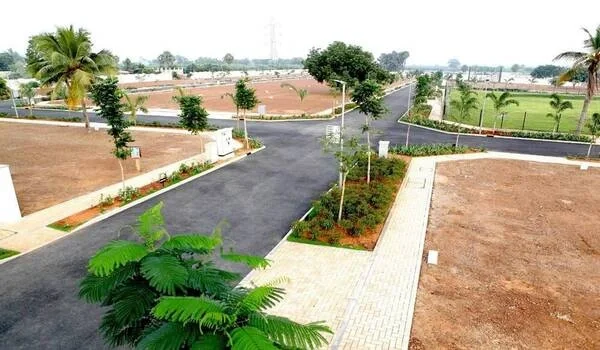
Featured Image of Stamp Duty And Registration Charges In Karnataka


Stamp duty and registration charges are costs every property buyer in Karnataka must plan for. In 2026, the registration fee stays flat at 2 percent of the property price. Stamp duty can run at 2, 3 or 5 percent, based on how much your home costs. For most flats priced above Rs 45 lakh, buyers pay 5 percent stamp duty plus 2 percent registration. Add around 0.6 percent in cess, and the total lands near 7.6 percent of your property price. This holds true whether you buy a plot, a resale house or a new home. That includes a project such as in Huyilalu, Mysuru. Prestige Pavilion is set to launch on December 5, 2026. Buyers there will pay these same state rates. Knowing this cost ahead of time keeps your budget realistic. It also helps you avoid last-minute surprises at the registrar office.

What Is Stamp Duty in Karnataka?


Stamp duty is a state tax you pay to make your property transfer legal. It turns your sale deed into a valid legal record. You owe this fee on every house, flat or plot you buy. The exact rate in Karnataka depends on your property price. A costlier home pulls a higher rate. The state government fixes and reviews these rates on its own. You cannot skip this payment under any condition. Papers without stamp duty carry no legal weight in a dispute. Most home loans do not cover this cost. You need to set this money aside on your own.

What Are Registration Charges in Karnataka?


Registration charges are the fee you pay to record your sale with the state government. Karnataka charges a flat 2 percent fee to register any property in 2026. This rate moved up from 1 percent to 2 percent back in August 2025. The same 2 percent applies to flats, plots and shops alike. Paying this fee places your name in the official land records. It proves your ownership to anyone who checks later. It also cuts down the risk of property fraud. You pay this fee at your local sub-registrar office, on the day you sign your deed.

Stamp Duty and Registration Rates in Karnataka for 2026


Your rate depends on where your property price falls. Here is the current slab structure buyers should know.

Property Value Stamp Duty Registration Fee
Up to Rs 20 lakh 2 percent 2 percent
Rs 20 lakh to Rs 45 lakh 3 percent 2 percent
Above Rs 45 lakh 5 percent 2 percent

Most homes in cities such as Bangalore and Mysuru now cost more than Rs 45 lakh. So most buyers land in the top slab and pay 5 percent stamp duty. Add the small cess on top, and your total government cost sits close to 7.6 percent.

How Is Stamp Duty Calculated in Karnataka?


The state works out your stamp duty using the property's market value. This value is called the government guidance value. Karnataka sets a fixed minimum price for every street and locality. If you agree to pay more than that guidance value, the state uses your actual price instead. The tax always applies to whichever figure is higher.

Here is how the math plays out for a Rs 1 crore home.

  • Stamp duty at 5 percent: Rs 5,00,000
  • Registration fee at 2 percent: Rs 2,00,000
  • Cess and surcharge at 0.6 percent: Rs 60,000
  • Total extra cost: Rs 7,60,000

That means you need roughly Rs 7.6 lakh in cash, just for government charges. This share stays fairly steady across most price points. So it scales with your budget.

Registration Rules for New Projects Like Prestige Pavilion


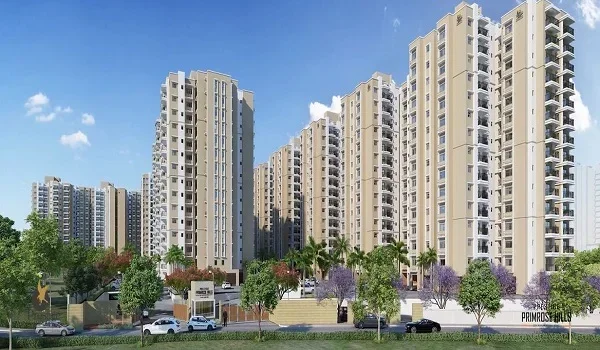
Yes, full registration charges apply even for a brand-new flat. Standard state rules cover every new project the same way. Take Prestige Pavilion as an example, since it is at the pre-launch stage in Huyilalu, west Mysuru.

Detail Status
Launch Date December 5, 2026
Possession Date Not announced yet
RERA Status Registration awaited

A 3 BHK at Prestige Pavilion starts near Rs 1.12 crore. On that price, expect stamp duty near Rs 5,60,000 and registration near Rs 2,24,000. Add cess close to Rs 67,200, and your total government cost lands around Rs 8,51,200. You pay this amount before the builder hands over your keys. So ask for a full cost sheet early to plan around it.

Do Women Buyers Get a Stamp Duty Discount in Karnataka?


No, Karnataka does not offer women buyers any discount on stamp duty right now. The rate stays the same for men and women alike. It depends purely on the property price, not the buyer's gender. Some other states in India do offer a 1 percent rebate for women. Karnataka has not adopted that rule as of 2026. Even a joint purchase with your spouse follows the standard slab. You still pay the full 5 percent on homes above Rs 45 lakh.

Why You Must Check the Government Guidance Value


The guidance value is the minimum price the state sets for properties in a given area. Check this figure before you finalise any purchase. Even if you negotiate a lower deal price, your stamp duty may still rest on the guidance value. Looking this up early tells you what to budget for registration. Do this well before you sit down to sign anything.

Other Costs to Plan For Beyond Stamp Duty


Stamp duty and registration are not the only extra costs on a property purchase. A few smaller charges tend to come up along the way.

  • A lawyer's fee to verify the property title and documents.
  • A processing fee your bank charges to sanction the home loan.
  • An advance maintenance deposit, common with most new flats.
  • GST on under-construction homes, charged separately from stamp duty.

Keep these costs apart from your 7.6 percent registration budget, so your total funds stay realistic.

FAQs


1. What is the stamp duty rate in Karnataka for 2026?

It runs at 2, 3 or 5 percent, based on your property price. Homes above Rs 45 lakh attract the 5 percent rate.


2. What are the current registration charges in Karnataka?

The registration fee is a flat 2 percent of the property value. The state raised this from 1 percent in August 2025.

3. How much tax applies on a Rs 50 lakh home?

A Rs 50 lakh home falls in the 5 percent slab. With cess, the total works out to about Rs 3.8 lakh.

4. Do buyers pay stamp duty on under-construction flats like Prestige Pavilion?

Yes. You pay it before the final sale deed gets signed. The same state rules apply as any other property.

5. Does GST count as part of stamp duty?

No. GST goes to the central government, while stamp duty goes to the state. The two are billed separately.

6. Is the guidance value always lower than my agreed price?

Not always. In fast-growing pockets, the guidance value can sit close to or above market rates, so always check first.

Prestige Pavilion Blog


Enquiry
Enquire Now